Boiler Upgrade Scheme 2026: How Gloucestershire Homeowners Can Claim £7,500

Great news for homeowners in Gloucestershire: under the Boiler Upgrade Scheme 2026, you could get £7,500 toward a new heat pump system. Whether you're looking to cut your energy bills or future-proof your home, this government grant is designed to make low-carbon heating more affordable. In this guide, we’ll explain who’s eligible, how to claim the grant (with our help), and why now is the perfect time to make the switch with trusted local installers like Hewer FM.

Continue ReadingBoiler Upgrade Scheme 2026: How Gloucestershire Homeowners Can Claim £7,500
Read more about the article Heat Pump Installation: Is It Right for Your Home?
Heat Pump Engineer at work

Heat Pump Installation: Is It Right for Your Home?

Heat pumps can be a smart investment for many UK homes—especially those off the gas grid or aiming to cut carbon emissions. Installation costs can be offset by the government’s £7,500 Boiler Upgrade Scheme grant. Modern units work even in cold weather and are around three times more efficient than traditional boilers. Some homeowners may pay slightly more per year in electricity, but with solar panels or flexible tariffs, running costs can even out. A professional assessment is the best way to know if a heat pump suits your home.

Continue ReadingHeat Pump Installation: Is It Right for Your Home?
Read more about the article Understanding Heating Engineers: What Do They Do (and When Do You Need One)?
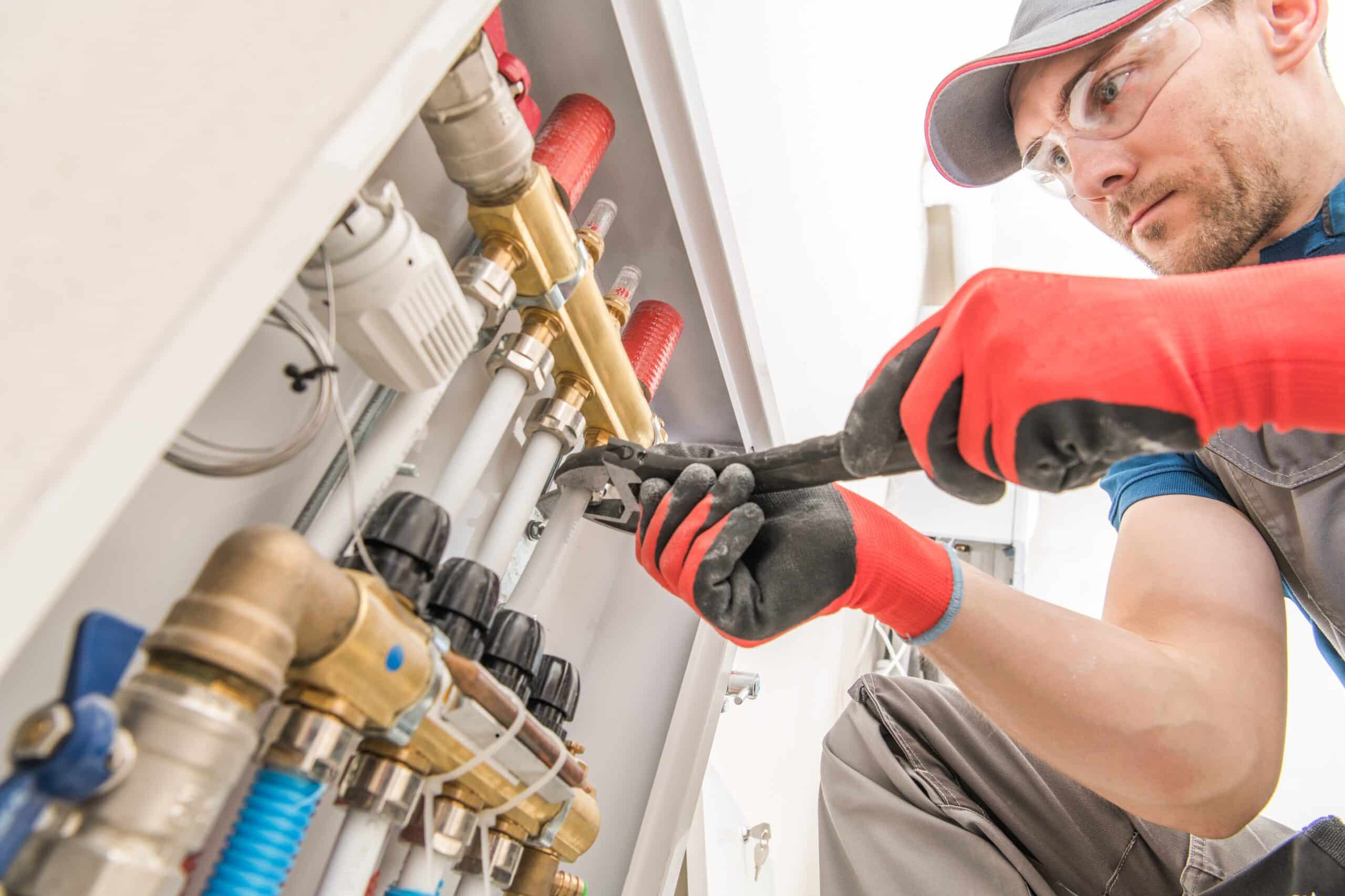
Residential House Floor Heating Valves Adjustment. Plumbing and Heating Technician at Work.

Understanding Heating Engineers: What Do They Do (and When Do You Need One)?

A heating engineer is a certified specialist who installs, services, and repairs heating systems such as boilers and radiators. In the UK, they must be Gas Safe registered to handle gas appliances. Unlike plumbers, heating engineers focus on heating performance, safety, and energy efficiency in homes and buildings.

Continue ReadingUnderstanding Heating Engineers: What Do They Do (and When Do You Need One)?